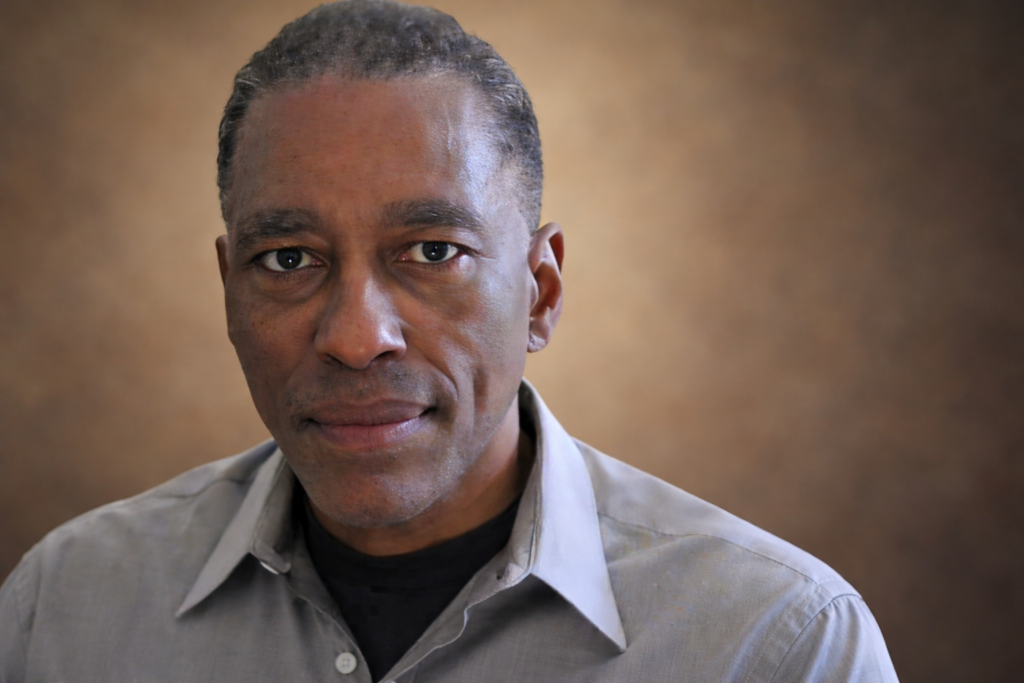
Roderick Jeffrey Watts is a renowned American psychologist, professor emeritus, and scholar whose career spans decades of research, teaching, and community engagement. Although he does not have an official Wikipedia page, his academic footprint is significant, with contributions in clinical-community psychology, sociopolitical development, and liberation psychology. Watts has consistently emphasized the importance of connecting individual psychological well-being to broader societal structures, particularly in contexts where systemic inequality and racial identity shape human experience. His work demonstrates a deep commitment to understanding the interplay between identity, social justice, and empowerment, particularly for youth and marginalized communities.
Academic Career and Professional Contributions
Watts held the position of Professor Emeritus of Psychology and Africana Studies at the Graduate Center, City University of New York (CUNY), where he spent much of his academic career shaping the field of community psychology. He combined rigorous theoretical research with practical community engagement, mentoring students and guiding research that emphasized both clinical and sociopolitical perspectives. Watts’s career also included faculty appointments at prestigious institutions such as DePaul University, Yale University School of Medicine, Georgia State University, and Stellenbosch University in South Africa. These appointments reflect his wide-ranging influence in academia and his commitment to integrating psychological theory with practical applications for social transformation.
As an educator, Watts focused on training the next generation of psychologists to consider not only individual mental health but also the systemic and societal factors that affect communities. He emphasized methods such as participatory action research and community-based interventions, ensuring that research findings translated into tangible social change. His pedagogical approach reflected a belief in the interconnectedness of individual agency, social structures, and collective empowerment.
Research Focus and Scholarly Impact
Watts’s research centers on liberation psychology, youth sociopolitical development, and community empowerment. He has explored how individuals, especially young people, develop critical consciousness — an awareness of social inequalities — and translate that awareness into action. His work advocates for understanding psychological processes in the context of social justice, emphasizing that mental health is not isolated from broader societal structures.
Among his key scholarly contributions is his co-editorship of the book Human Diversity: Perspectives on People in Context, which provides frameworks for conducting research and interventions that are culturally informed and socially responsible. He also contributed to Beyond Resistance! Youth Activism and Community Change, examining how young people engage with their communities and transform them through activism. Through these and other publications, Watts advanced the field of psychology by linking theory, research, and practice to issues of racial identity, social inequality, and empowerment.
Watts’s academic work challenges traditional models of psychology that focus solely on individual pathology. Instead, he emphasizes the importance of context, community, and structural factors, positioning psychology as a tool for understanding and addressing social justice issues. His writings and teachings have influenced countless students, scholars, and practitioners in psychology and related social sciences.
Relationship with Isabel Wilkerson
Roderick Jeffrey Watts is known for his personal and intellectual connection to Pulitzer Prize-winning author Isabel Wilkerson, famed for her books The Warmth of Other Suns and Caste: The Origins of Our Discontents. Watts and Wilkerson married in 1989 in Fort Washington, Maryland. Their union represented a partnership of two intellectuals deeply engaged in understanding race, identity, and social structures, albeit through different disciplinary lenses — Wilkerson through narrative history and journalism, and Watts through psychology and community research. While their marriage ended in divorce, the connection highlights the intersection of two influential thinkers committed to social justice and systemic analysis.
Public Image and Photographs
Watts has maintained a relatively private public profile, with his professional presence primarily reflected in academic directories, faculty portraits, and conference programs. Verified photographs appear in institutional records, such as the CUNY Graduate Center faculty directory, and are generally formal images accompanying his biography. Unlike widely publicized figures, Watts’s media visibility is limited, and online photographs should be approached cautiously unless sourced from educational or professional contexts.
Clarifying Death and Obituary Information
There is no verified evidence or credible obituary indicating that Roderick Jeffrey Watts has passed away. Online references sometimes conflate him with other individuals named Roderick Watts, such as Dr. Roderick DeWayne Watts of Alabama, who is a separate individual. The psychologist and scholar Roderick Jeffrey Watts is alive, and his legacy continues through his academic contributions, mentorship, and influence on community psychology and sociopolitical development studies.
Legacy and Influence
Roderick Jeffrey Watts’s legacy is defined by his dedication to integrating psychology with social justice. He has significantly impacted the field of community psychology by advocating for research and practice that addresses systemic inequalities and promotes empowerment. His teachings have guided students and professionals in understanding how identity, social structures, and collective action intersect to shape human behavior. Through his scholarship, mentorship, and public engagement, Watts has left an indelible mark on psychology, emphasizing the importance of context, equity, and social responsibility in understanding human experience.
Watts’s work continues to inspire psychologists, social workers, educators, and community organizers to adopt approaches that recognize the influence of social structures and empower individuals and communities to enact meaningful change. His contributions to academic literature, teaching, and community engagement reflect a career devoted to knowledge, justice, and human well-being.
Conclusion
Roderick Jeffrey Watts stands as a distinguished figure in the intersection of psychology, social justice, and community empowerment. Through decades of teaching, research, and mentorship, he has consistently emphasized the importance of understanding individuals within their social and structural contexts, advocating for approaches that link psychological well-being with societal transformation. His scholarship on liberation psychology, sociopolitical development, and identity has shaped generations of students, practitioners, and community leaders, leaving a lasting imprint on the field.
Beyond his academic achievements, Watts’s connection to thinkers like Isabel Wilkerson highlights the broader intellectual network in which he has operated, reflecting a life committed to knowledge, equity, and empowerment. His legacy continues to inspire those who seek to bridge the gap between theory and practice, showing how psychology can serve as a force for meaningful social change.